

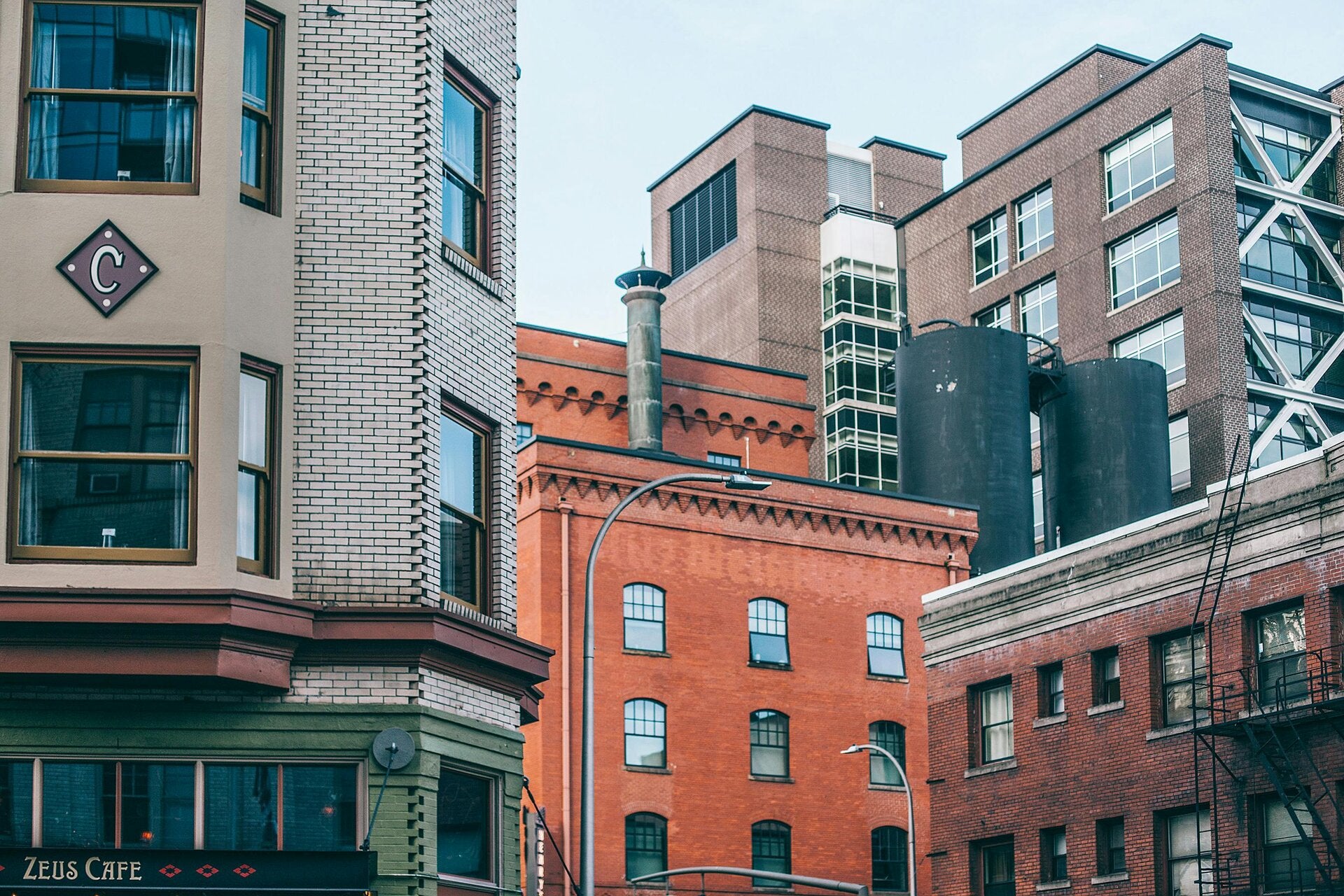
Adaptive reuse property refers to the process of taking an existing building (often one that is underutilized, vacant, or functionally obsolete) and repurposing it for a new, economically viable use. Instead of demolishing the structure, developers retain much of the original building while upgrading systems, redesigning interiors, and reconfiguring space to meet modern needs. Common examples include converting old factories into apartments, warehouses into office space, or historic schools into mixed-use developments. This approach blends preservation with innovation, which allows older assets to remain relevant in changing markets.
Adaptive reuse is a valuable long-term commercial real estate asset because it often delivers strong returns with lower development risk compared to ground-up construction. It can reduce costs related to land acquisition, permitting, and materials while benefiting from existing infrastructure and desirable, often centrally located sites. Additionally, these properties tend to attract tenants and consumers who value character, sustainability, and walkable environments. Over time, adaptive reuse projects can anchor neighborhood revitalization, enhance property values, and provide resilience against market shifts by offering flexible, differentiated spaces that are difficult to replicate with new construction.